Short answer
A minimum viable product tests whether an idea works with the fewest features. A minimum lovable product keeps that small scope but makes the core experience good enough that early users want to come back. The difference is focus: fewer features, each done well, around the one problem users care about most.


| MVP (minimum viable product) | MLP (minimum lovable product) | |
|---|---|---|
| Goal | Learn whether an idea is viable | Win and keep early users |
| Scope | The fewest features that work | The fewest features, each done well, around one core moment |
| Quality bar | Works; rough edges are accepted | A polished core experience |
| Success measure | Validated learning | Retention and word of mouth |
| Best for | Testing demand or technical risk | Markets where users have alternatives |
For years, startups were told to build an MVP: the simplest version of a product that can exist and still work. But “viable” is rarely enough on its own. Users don’t fall in love with viable. They stay with products that feel good to use, solve a real problem and deliver a moment of value on day one.
That is the idea behind the minimum lovable product (MLP). It does one thing exceptionally well, earns the user’s trust quickly and gives them a reason to come back.
Where MVP and MLP come from
The term minimum viable product was coined by Frank Robinson in 2001 and popularised by Steve Blank and Eric Ries, whose Lean Startup method uses an MVP to test a business hypothesis with the least effort (background). Aha! co-founder Brian de Haaff introduced the minimum lovable product in 2013 as a counterpoint: aim for love, not tolerance (his original post).
Why an MVP alone often falls short
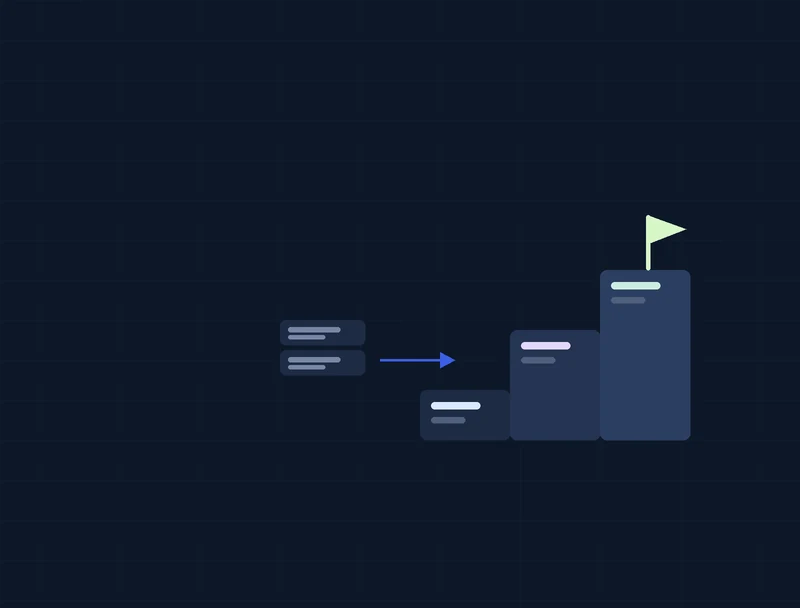
The MVP approach made most sense when users tolerated rough edges and competition was thin. Today most categories have alternatives a click away. If a product feels clunky or confusing on the first try, people rarely wait for the next release; they move on.
So the question shifts from “What’s the minimum we can build?” to “What’s the minimum we can build that people will love?”
When an MVP is still the right call
An MLP is not always the answer. A plain MVP is the better tool when:
- You are testing whether demand exists at all, and a landing page, prototype or manual test can answer that faster than a product.
- The riskiest question is technical: can the model, integration or chain do what you need?
- You are building an internal tool or pilot where users are committed and reliability matters more than delight.
Once you know the problem is real and the technology works, the MLP is how you win users who have a choice.
From an Avinya engagement: how an MLP saved a founder months
A founder came to us with a detailed four-month MVP plan. It had everything: multi-chain logic, a complex dashboard, advanced settings and token mechanics. On paper it looked impressive.
When we asked, “What’s the one moment where your user says wow?”, there was no clear answer. That is the most common red flag we see: a big roadmap with no core moment. So we rewrote the approach.
What we changed
- Removed 60% of the planned features
- Identified the single pain point users cared about
- Designed a frictionless onboarding flow
- Set a target of value in under 90 seconds
- Built a modular backend ready for future expansion
Two weeks later, the MLP launched.
What happened next
- Users didn’t ask about the missing features
- Retention was higher than the founder expected
- The product received unsolicited positive feedback
- Early adopters recommended it to others
- Investor conversations improved
In the founder’s words: “This feels like a real product, not a test version.”
How to scope an MLP
We use three principles.
1. Ruthless scope
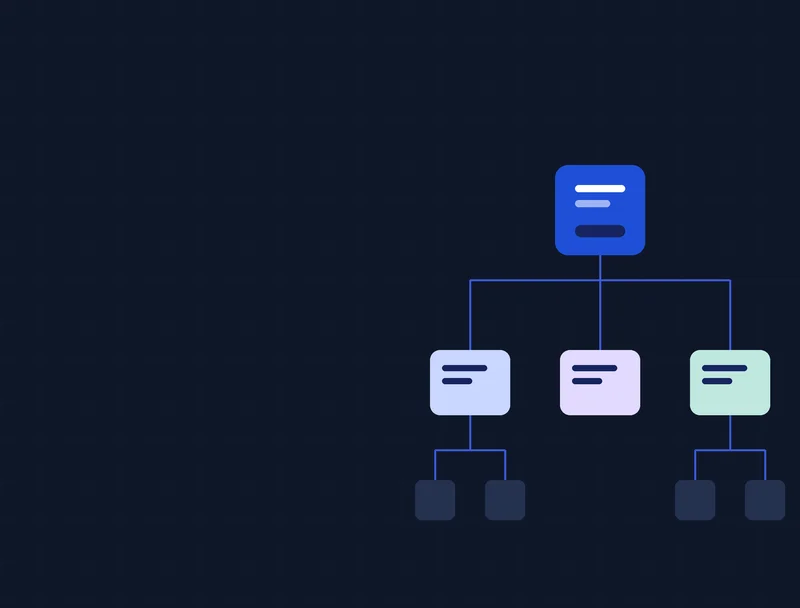
One job, done brilliantly. An MLP doesn’t try to solve everything. It solves one painful problem better than the alternatives.
2. Zero to value in minutes
If users can’t get value in the first few minutes, they leave. Design onboarding so the payoff arrives before any setup the user doesn’t need yet. In the engagement above, the target was under 90 seconds.
3. Built to grow
An MLP is a foundation, not the final product. Modular code and clean data mean the next versions ship faster, including AI features added later.
A quick test for every item on the roadmap: does it make the core moment faster, clearer or more trustworthy? If not, it waits for version two.
What makes an AI product lovable
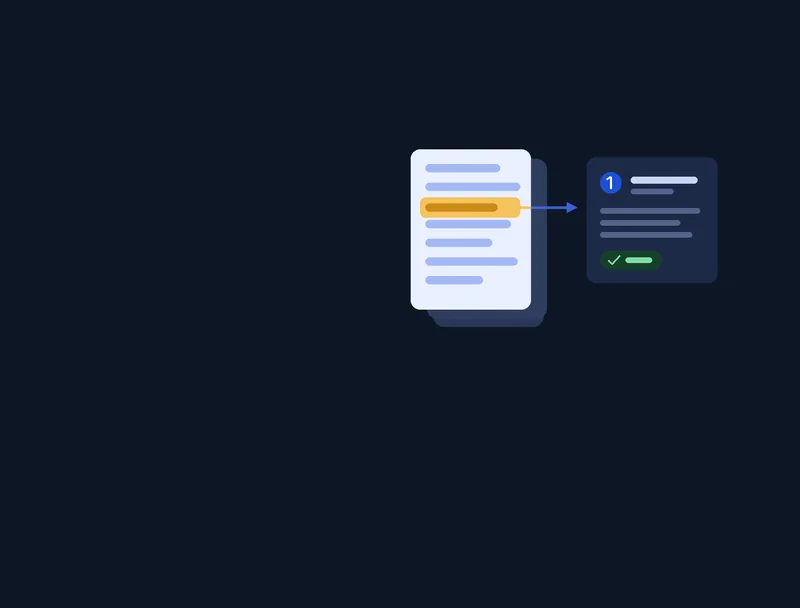
For AI products, lovable mostly means trustworthy. Early users forgive a narrow feature set; they don’t forgive answers they can’t check. In the AI systems we have shipped, trust came from answers that cite their source, like the research assistant where every citation traces back to its document, and from a clear handover to a person when the AI is out of its depth, as in our voice agents for healthcare operations.
An MLP is about the right work, not less work
The biggest misconception is that an MLP means building small. It means building focused: fewer features, each done well, around the moment that matters to users. The market rewards products that create that moment early, not prototypes that feel half-finished.
Final thought
Don’t build to check a box. Build to create a moment, the one where the user thinks: “This is exactly what I needed.” The products that win aren’t the most complete. They’re the most loved, from day one.
From our work
- ~50% faster review timeResearch & review assistant
- ~50% fewer manual handling casesMulti-agent voice AI
Related: AI SaaS development
Frequently asked questions
What is a Minimum Lovable Product (MLP)?
An MLP is the smallest version of a product that genuinely delights the specific users it's built for, rather than merely functioning. It trades broad feature coverage for a narrow experience people actually enjoy using.
How is an MLP different from an MVP?
An MVP is scoped around the minimum functionality needed to test a hypothesis. An MLP is scoped around the minimum experience needed to earn genuine user affection, it optimizes for delight and retention, not just validation.
Does building an MLP take longer than an MVP?
Not necessarily longer, but it requires tighter scope discipline, cutting more features so the ones that remain can be polished enough to feel complete, rather than spreading effort thin across a wider feature set.
When should a startup use MLP thinking instead of MVP thinking?
MLP thinking pays off when user experience itself is the differentiator, consumer products, tools competing on ease of use, where a functional-but-forgettable first version risks losing users who won't give it a second chance.