Short answer
An AI legal assistant is software that helps lawyers research case law, review documents and draft routine work, with every statement linked to the source it came from. It speeds up reading and first drafts, but a lawyer still checks, decides and carries responsibility.

What is an AI legal assistant?
An AI legal assistant is software that helps lawyers research case law, review documents and draft first versions of routine work, using language models grounded in legal sources. A good AI legal assistant does not replace a lawyer's judgement. It finds, sorts and summarises material faster, and it shows where every statement came from so the lawyer can check it. This guide to AI for law firms explains what an AI legal assistant can and cannot do, where it saves time, and how to start without taking on risk.
AI for law firms covers a wide range of tools, from a chat window that answers general questions to systems built around a firm's own documents and precedents. The difference matters, because the risks and the benefits are not the same.
What an AI legal assistant can do well
- Legal research. Searching case law, filings and regulation in plain language, and returning the passages that answer the question, with their sources.
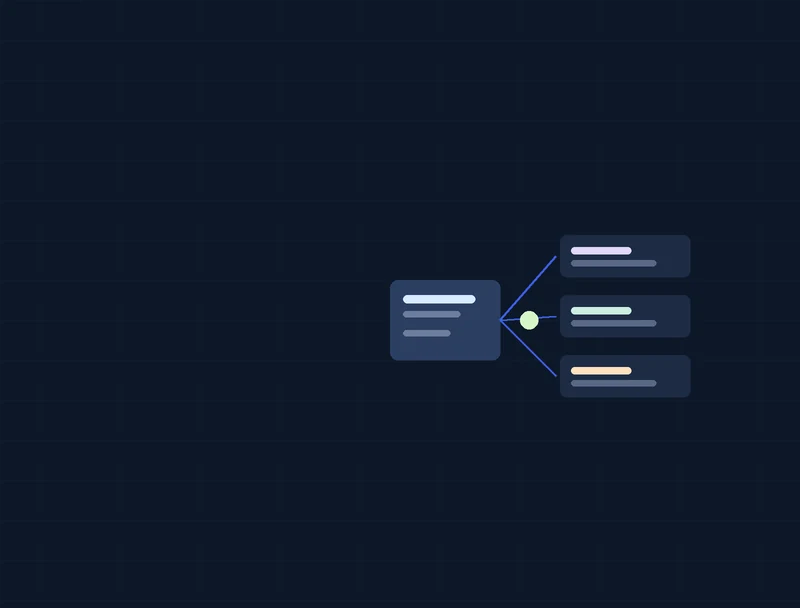
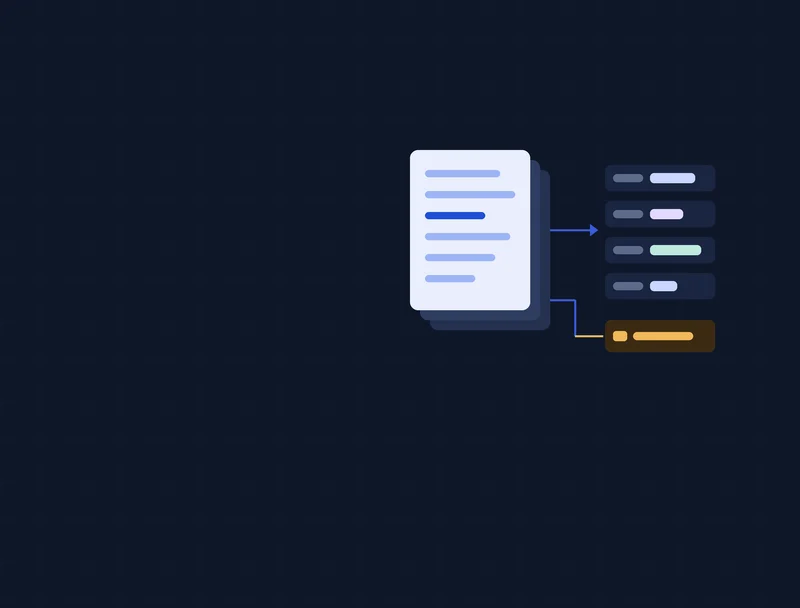
- Document review. Reading large sets of contracts, filings or correspondence, sorting them by type, and pulling out the clauses, dates and parties that matter.
- Summaries with citations. Condensing a long judgement or a data room into a short brief, with each point linked to the paragraph it came from.
- First drafts of routine work. Memos, clause comparisons and checklists that a lawyer then edits and signs off.
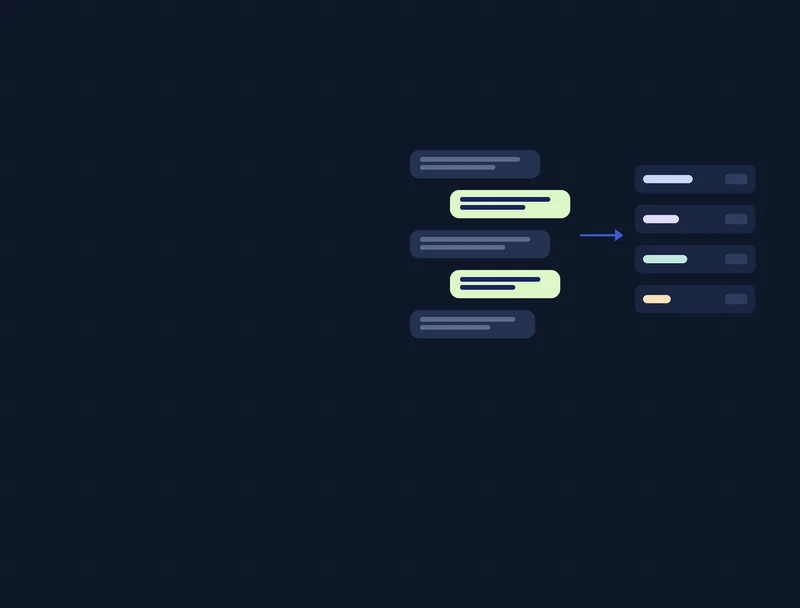
- Intake and triage. Classifying incoming requests and routing them to the right person with the key details captured.
The common thread is that the assistant does the reading and the sorting, and a person does the deciding.
What an AI legal assistant cannot do
- Give legal advice or take responsibility. The lawyer remains accountable for the work and for what is filed or sent to a client.
- Be trusted without checking. Language models can state something false in a confident tone. In 2023 a New York federal court sanctioned lawyers whose filing cited cases that an AI chatbot had invented, as covered in the Mata v. Avianca case.
- Replace judgement on strategy, ethics or negotiation. These depend on context, relationships and risk appetite that no tool has.
- Know what it was not given. If a precedent or a clause is missing from its sources, it cannot find it, and a weak assistant may guess instead of saying so.
The lesson from the invented-citation cases is not that AI should be avoided. It is that an assistant for legal work must be built so that every claim can be traced to a real, checkable source.
Why traceable citations matter most
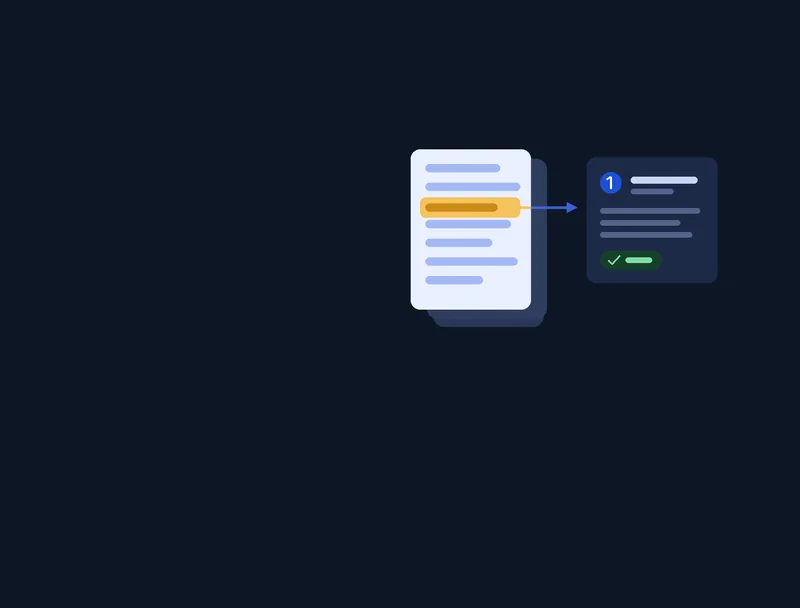
A lawyer cannot rely on an answer that cannot be verified. The design that works is simple: the assistant retrieves real passages from the sources it was given, writes its answer from those passages only, and links each statement to the exact place it came from. The reviewer sees the answer on one side and the source on the other, and checking takes seconds.
That is how we approached our own AI legal assistant for research and document review. It searches across case law and filings and returns citation-grounded answers, so reviewers verify the source behind every result instead of trusting an unchecked summary. In that engagement, review time was about 50% faster, roughly 10 hours a week were saved, and every citation was traceable to its source.
Where an AI legal assistant pays off
AI for law firms earns its cost when several of these are true:
- Reading volume is high. Large document sets, long judgements or many matters in parallel.
- The same research is repeated. Questions that come up again and again across matters.
- Review is slow and mostly routine. Most documents need a quick check, and a few need real attention.
- Your precedents are scattered. Knowledge sits in individual inboxes and folders, not in a searchable place.
It is less useful for one-off, highly bespoke work where there is little to read and little to repeat.
Questions to ask before you buy or build
- Where does every answer come from? You should be able to click from a statement to the source passage.
- What happens when it does not know? A good assistant says so instead of guessing.
- Where is our data stored, and who can see it? Ask about prompts, logs, retention and whether your documents train a shared model.
- How is accuracy measured? Ask for results on documents like yours, not a vendor demo.
- Who approves the output? The workflow should keep a lawyer in the loop for anything that leaves the firm.
AI for law firms: a safe way to start
- Pick one workflow. For example first-pass contract review or research on one practice area.
- Measure today's baseline. Hours per matter, documents per week, and how often rework happens.
- Decide what the assistant may see. Which sources, which matters, and who can access the results. Client confidentiality comes first.
- Keep a lawyer in the approval step. Nothing leaves the firm or goes to a client without a person signing it off.
- Test on your own documents. Use a labelled sample and check accuracy and citation quality before wider use. An AI proof of concept of four to six weeks is usually enough.
The same pattern applies to other document-heavy fields, as in our guide to how intelligent document processing works. If you are not sure your data and processes are ready, our free AI readiness check gives a score in about five minutes. To see what we build for law firms, read about AI for legal teams, or how our document intelligence work handles contracts and filings.
From our work
Related: AI for legal teams
Frequently asked questions
Can an AI legal assistant replace a lawyer?
No. It speeds up reading, research and first drafts, but a lawyer still decides, signs off and carries responsibility for the work.
How do I know the answers from an AI legal assistant are correct?
Choose an assistant that links every statement to the source passage it came from, then check the source. Test it on a sample of your own matters before relying on it.
Is client data safe when using AI for law firms?
It depends on how the system is built. Ask where the data is stored, who can see prompts and logs, and whether your documents are used to train a shared model. Confidentiality rules apply to the tool as they do to any vendor.
What can an AI legal assistant do for a small firm?
It can take over repetitive reading and first-pass research, which gives lawyers more time for client work. Start with one workflow and measure the time saved.
How long does it take to build an AI legal assistant?
A focused pilot on one workflow typically takes four to six weeks. A rollout across practice areas and systems takes longer and is planned once the pilot shows real accuracy on your own documents.