

What Is Cryptocurrency Tokenomics? A Strategic Guide for Businesses
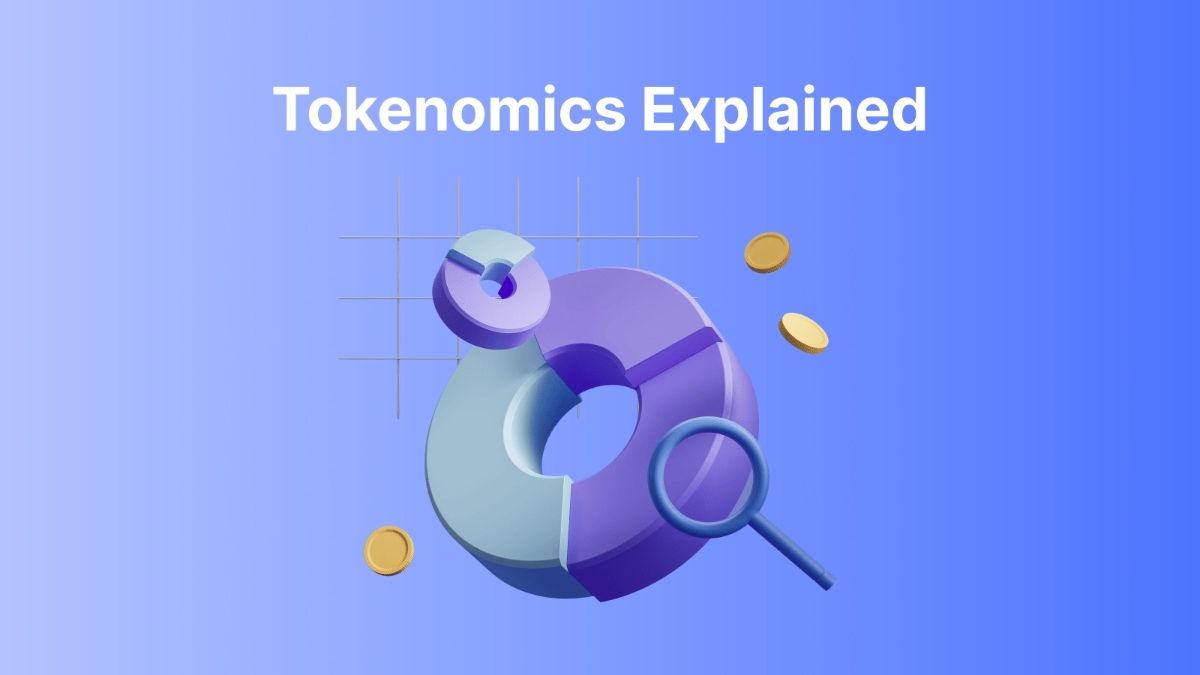
Introduction: The Missing Link in RWA Adoption
Tokenized Real-World Assets (RWAs) such as real estate, bonds, and precious metals are surging in popularity, projected to become a $16 trillion market by 2030 (BCG). Yet most institutions overlook one crucial element: tokenomics. While infrastructure and tokenization platforms are rapidly evolving, many institutional players fail to build well-structured token economies that power long-term utility, compliance, and revenue.
In contrast, Web3-native protocols design token models that not only represent value but also circulate it, fueling ecosystems, incentivizing participation, and driving retention.
In this strategic guide, we break down what tokenomics is, why it matters, and how to craft sustainable, scalable token models tailored for modern digital ecosystems and tokenized assets.
What Is Tokenomics?
Tokenomics (a blend of "token" and "economics") refers to the design principles, incentives, and governance systems behind a digital token's lifecycle: how it's created, distributed, and used.
Core components:
- Token Supply: Fixed, inflationary, or deflationary models.
- Distribution Schedules: How tokens are allocated among founders, investors, and the community.
- Utility: Use cases like governance, staking, payments, or access control.
- Market Dynamics: Supply-demand mechanisms, burns, emissions.
- Value Allocation: Determines who earns, controls, and contributes value across the system.
Think of tokenomics as the economic engine behind your protocol.
Key Elements of Robust Tokenomics
1. Supply & Emissions Schedule
- Fixed Supply: Promotes scarcity (e.g., 100M tokens max).
- Inflationary: New tokens minted to reward participation.
- Deflationary: Burn mechanisms reduce total supply over time.
2. Token Allocation Model
| Stakeholder | Recommended Allocation |
|---|---|
| Founders & Team | 10%–20% (vested over 4+ years) |
| Investors | 15%–30% (cliff + linear vesting) |
| Community Rewards | 20%–40% (airdrop, farming, loyalty) |
| Treasury | 10%–25% (DAO or foundation control) |
| Strategic Partners | 5%–10% (ecosystem incentives) |
3. Utility Design
Design tokens to serve multiple roles:
- Access Control: Feature unlocking, gated content, loyalty tiers.
- Medium of Exchange: Payment for services within the protocol.
- Staking Mechanisms: Reward participation or secure networks.
- Collateralization: Use in DeFi loans or RWA minting.
- Governance Rights: Proposals, treasury allocation, upgrades.
4. Value Controls & Economic Loops
Integrate:
- Buybacks & Burns
- Fee Redistribution to token holders
- Liquidity Mining
- Bonding Curves for automated pricing
5. Governance Architecture
- Centralized Governance: Internal team controls evolution.
- DAO-Based Governance: Token holders vote on key changes.
- Hybrid Models: Gradual decentralization.
Why Tokenomics Is a Business Imperative
For Protocols
- Incentivize engagement, liquidity, and retention
- Monetize activity via staking, auctions, and premium access
- Align long-term incentives for investors and users
For Institutions
- Drive new revenue through token-powered services
- Create programmable compliance aligned with MiCA, Basel IV, AMLA
- Manage digital asset balance sheets and customer incentive structures
Successful Tokenomics in Action
MakerDAO (DAI + MKR): Stablecoin governance powered by MKR holders with vault-based collateral management.
Centrifuge (CFG): Decentralized RWA financing using staked CFG to underwrite deals and rewards ecosystem participants.
Curve (CRV): veCRV model offers boosted rewards for long-term stakers, aligning liquidity and governance.
Red Flags to Avoid
- Tokens with no utility or incentive alignment
- Poorly structured vesting (e.g., early dumps by insiders)
- Unlimited inflation with no value capture
- Absence of a treasury or deflationary mechanism
- Centralized control without legal clarity
Avinya Labs: Enterprise-Ready Tokenomics Infrastructure
Avinya Labs helps fintechs, exchanges, and asset managers design and launch scalable token economies with:
- White-label exchange & DEX platforms
- Smart contract toolkits with staking, burn, and emissions modules
- Compliance-ready infrastructure (KYC, AML, MiCA modules)
- Support for RWA tokenization (real estate, gold, fixed-income assets)
Conclusion: Design Tokenomics That Work
A token is not just a financial product, it's an economy. And a good economy requires thoughtful planning, stakeholder alignment, and regulatory foresight.
To succeed in the RWA and Web3 space, businesses must go beyond minting tokens. They must design systems of value exchange, control, and incentive that fuel usage, trust, and revenue.
Ready to Build a Token that Performs? Contact Avinya Labs to schedule a demo and explore how we help you craft scalable, compliant token ecosystems that grow with your business.
Frequently Asked Questions
What is tokenomics?
Tokenomics is the design of a digital token's supply, distribution, utility, and governance, the economic rules that determine how a token is created, allocated, and used within its ecosystem.
What makes a token allocation model sustainable?
A balanced split across founders, investors, community rewards, and treasury, paired with vesting schedules that prevent early insider dumping and align long-term incentives across all stakeholders.
What are common tokenomics red flags investors look for?
Tokens with no clear utility, poorly structured vesting that allows early insiders to exit quickly, unlimited inflation with no offsetting value capture, and centralized control without legal clarity.
Does every crypto project need its own token?
No. A token should serve a specific purpose, governance, access, or incentive alignment, rather than existing by default. Projects that don't need programmable incentives or decentralized governance often don't benefit from issuing one.
Recently Added Blogs
We invite you to explore a selection of our completed blockchain development projects, offering a glimpse into our achievements and expertise.
 May 26, 2026
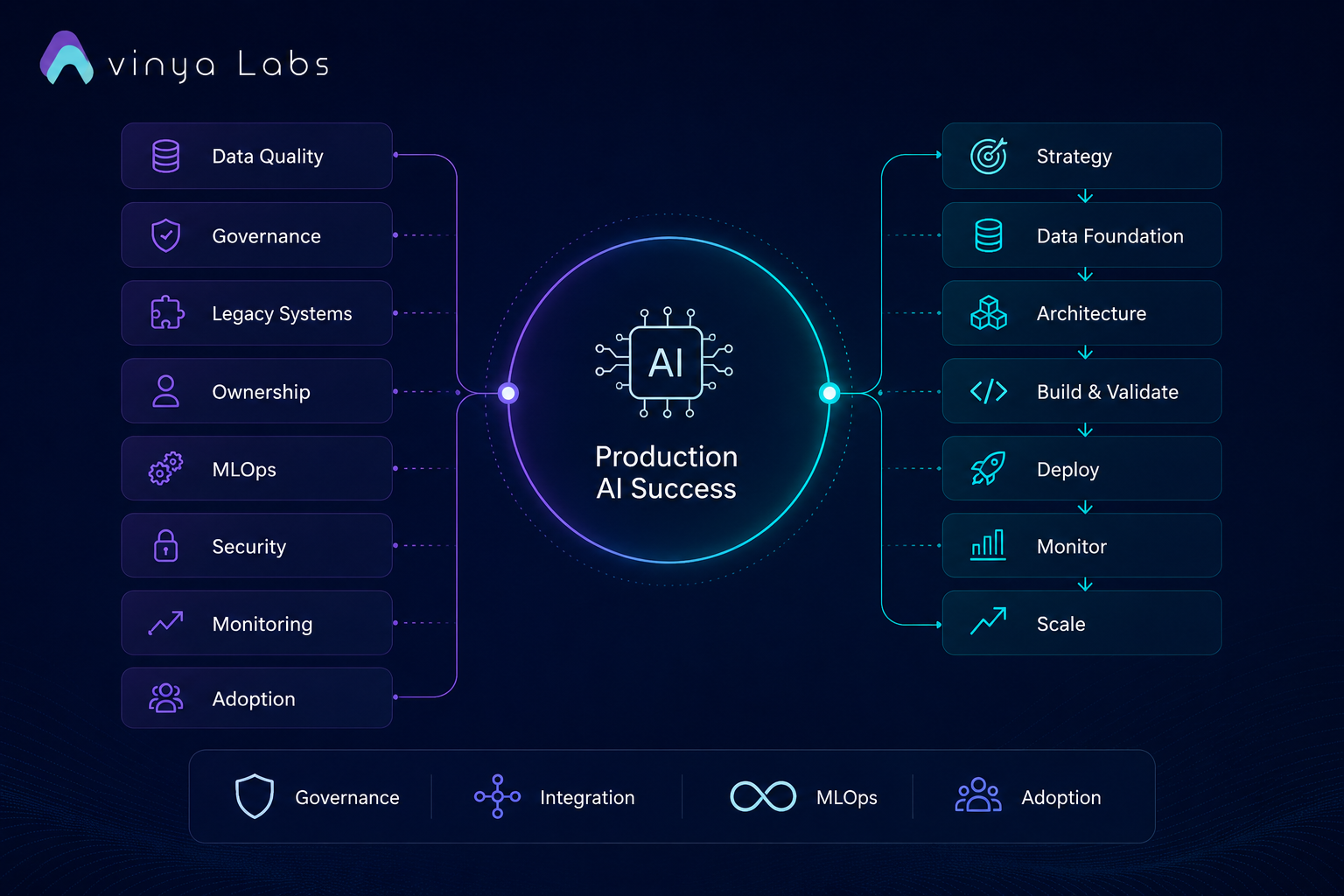
Enterprise AI Deployment: Why AI Projects Fail to Reach Production in 2026
The Hidden Gap Between AI Pilots and Enterprise-Scale Reality Enterprise AI deployment has become a strategic priority for organizations seeking productivity gains, operational efficiency, and competitive advantage. Yet despite significant investment, many AI projects never reach production or fail to deliver measurable business value. Most enterprises have already tested copilots, chatbots, predictive models, recommendation engines, […]
Mar 24, 2026
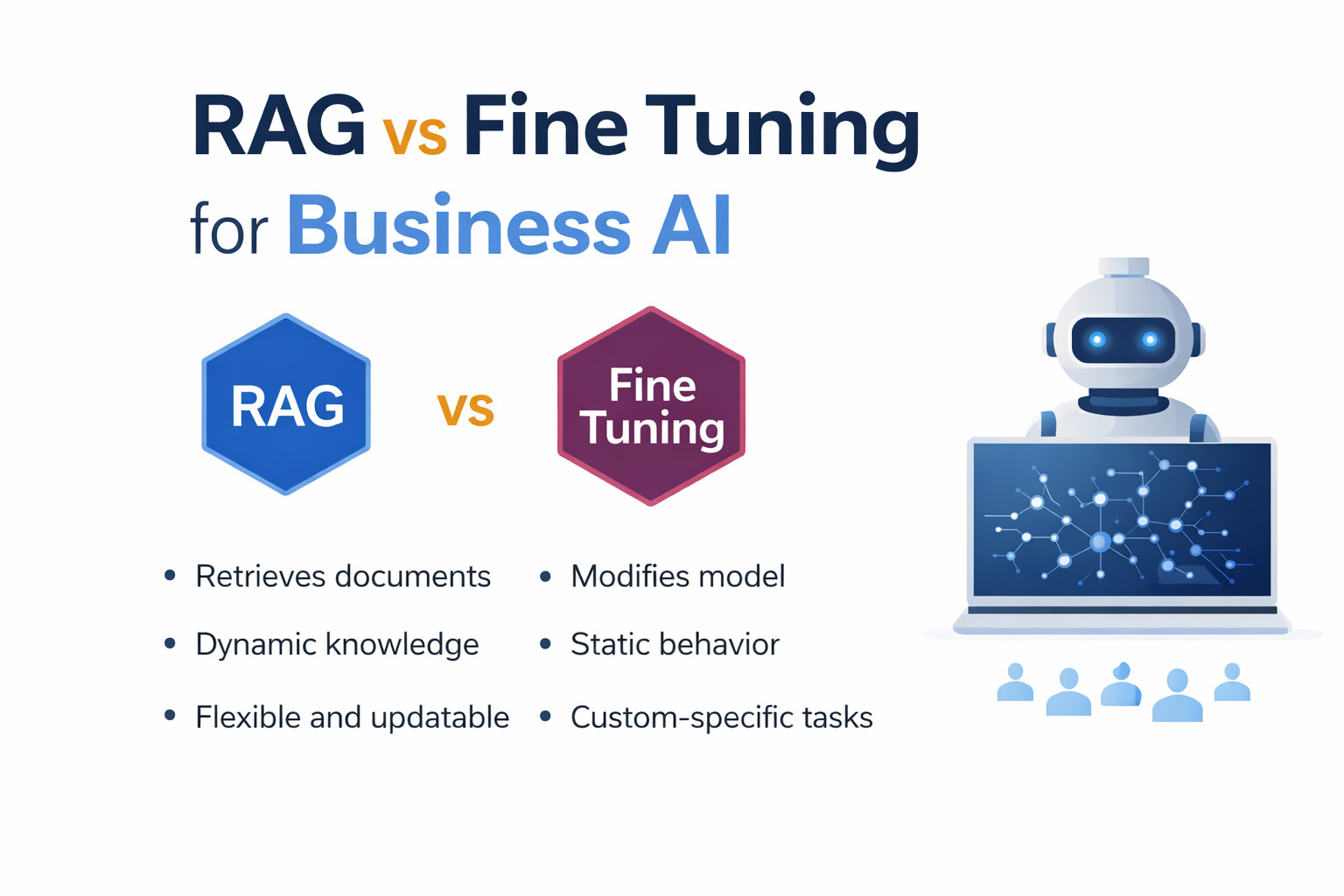
RAG vs Fine Tuning for Business AI: 7 Powerful Differences Every SMB Should Know
Introduction When building AI systems for companies, one of the most common questions is whether to use RAG vs fine tuning for business AI. Both approaches allow businesses to customize LLMs, but they solve very different problems. Many SMBs try fine tuning when they actually need retrieval, while others build RAG systems when model training […]
Mar 24, 2026
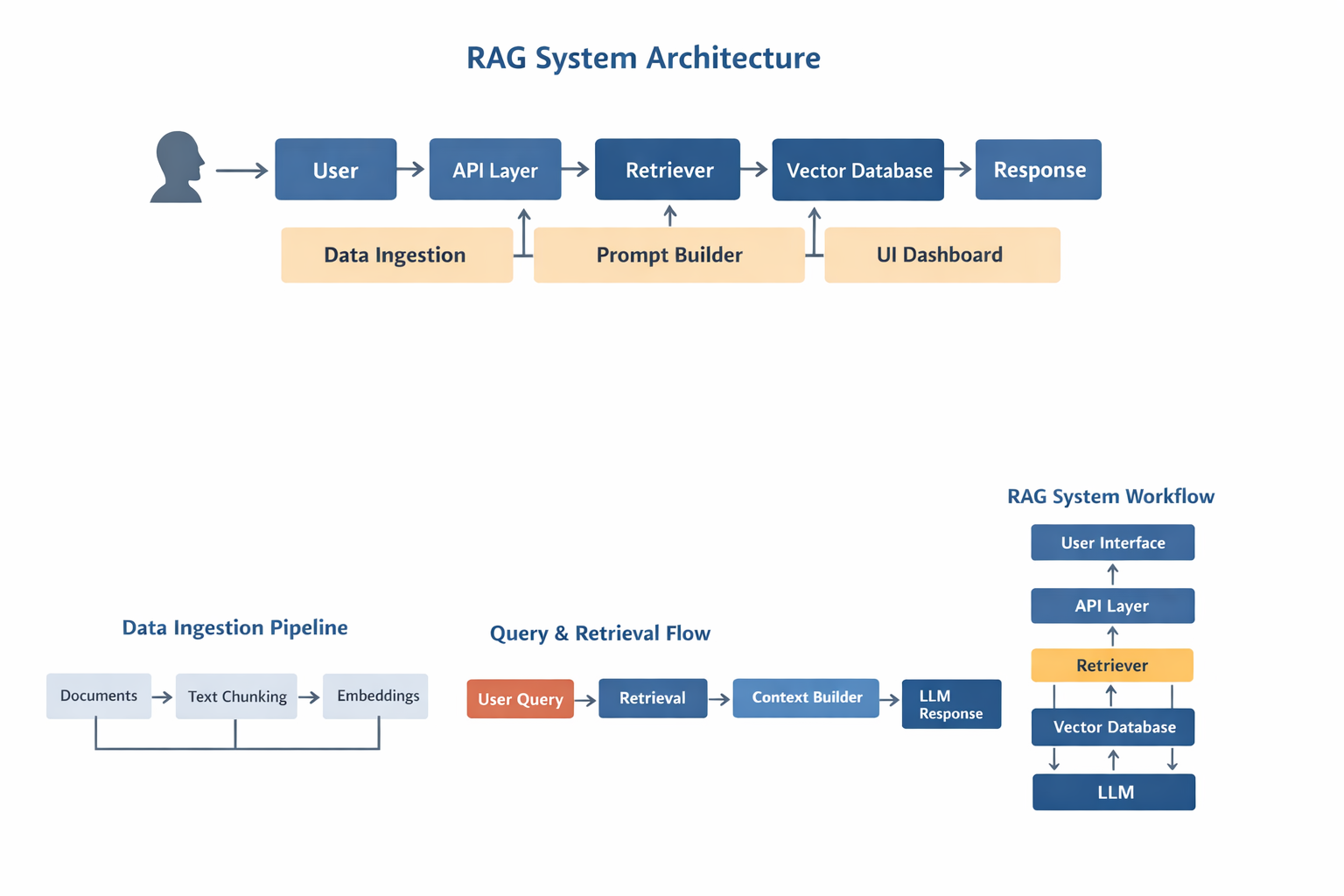
RAG System for Company Knowledge Base: 7 Powerful Architecture Tips for SMB AI Systems
Introduction A RAG system for company knowledge base allows businesses to use AI with internal documents, SOPs, emails, and databases without training a custom model. Instead of storing knowledge inside the model, a RAG architecture retrieves relevant information at runtime and sends it to the LLM. This approach is becoming the standard for SMBs building […]